
The cost of kitchen interior design in Bangladesh can vary significantly, typically ranging from BDT 1.5 Lac to BDT 10 Lac or more, depending on a multitude of factors. This broad range exists because a kitchen design project is highly customizable, influenced by the size of your kitchen, the complexity of the design, the quality of materials chosen, the appliances you include, and the fees charged by your chosen interior design firm. For most homeowners in Bangladesh, understanding this variability is the first step towards budgeting effectively for their dream kitchen.
Quick Look: Average Kitchen Interior Design Prices in Bangladesh
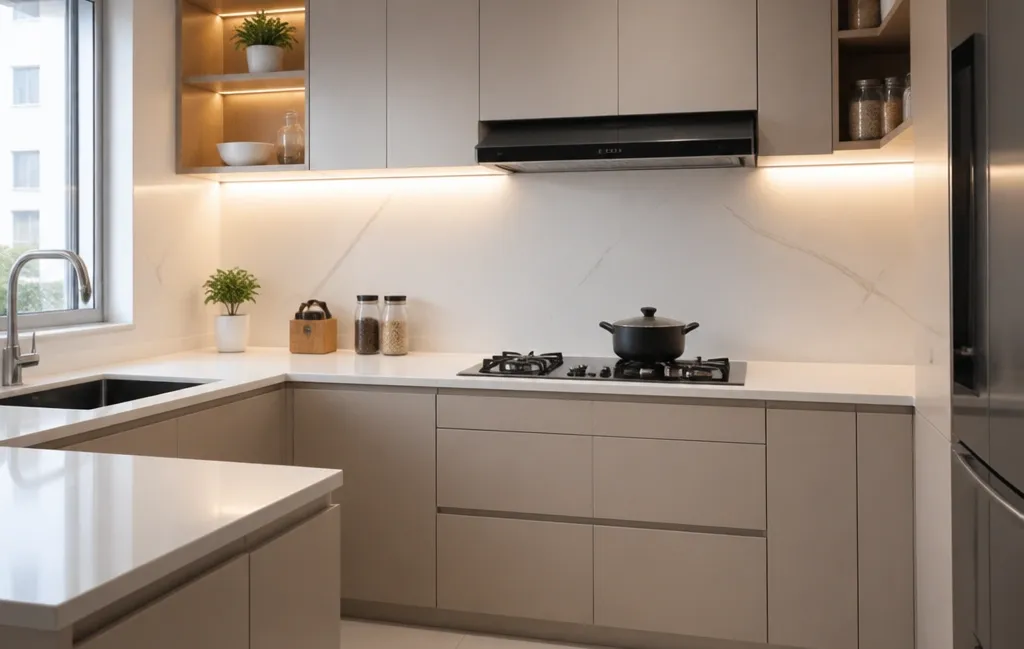
Here’s a general idea of what you might expect for kitchen interior design costs in Bangladesh:
- Budget-Friendly Basic Kitchen: BDT 1,50,000, BDT 3,00,000
- Mid-Range Modern Kitchen: BDT 3,00,000, BDT 6,00,000
- High-End or Luxury Kitchen: BDT 6,00,000, BDT 10,00,000+
These figures generally cover design consultation, material procurement, fabrication, and installation, but they are subject to change based on specific project requirements and market fluctuations.
Understanding the True Cost of Kitchen Interior Design in Bangladesh
When you set out to design or renovate your kitchen in Bangladesh, "price" isn't a single number. Instead, it's a dynamic figure shaped by every decision you make along the way. From the moment you decide on a functional layout to the final selection of cabinet handles, each choice adds to or subtracts from the overall investment.
This makes comparing quotes from different designers or firms a nuanced process. You're not just buying a design; you're investing in materials, craftsmanship, and the expertise that brings it all together.
For many homeowners, the kitchen is the heart of the home, a space for cooking, gathering, and entertaining. This means the design needs to be both beautiful and highly functional, able to withstand daily use while reflecting personal style. Balancing these aspects with a realistic budget requires a clear understanding of what contributes to the total cost.
Whether you're in Dhaka, Chittagong, or any other city, local material availability, labor rates, and transportation costs also play a role in shaping your final kitchen interior design price in Bangladesh.
Key Factors Influencing Your Kitchen Design Budget
Several core elements dictate how much you'll spend on kitchen interior design in Bangladesh. Breaking these down helps in prioritizing and making informed decisions to align with your financial plan.
1. Kitchen Size and Layout
The most obvious factor is the sheer scale of your kitchen. A larger kitchen naturally demands more materials, more cabinetry, and more countertop surface, all of which drive up costs. Beyond just square footage, the kitchen's layout also makes a big difference.
- Small Kitchens (e.g., galley or single-wall): These are usually the most budget-friendly as they require fewer materials and less complex installation. Expect costs to lean towards the lower end of the spectrum.
- Medium Kitchens (e.g., L-shaped, U-shaped): These layouts offer more counter space and storage, but also increase material needs. The complexity of corners in L or U shapes can add to fabrication and installation costs.
- Large Kitchens (e.g., island kitchens, open-plan): These are the most expensive, often incorporating large islands, extensive cabinetry, and potentially more elaborate lighting and ventilation systems. An island, for instance, adds significant material and labor costs, and might require additional plumbing or electrical work.
The existing structure of your home also plays a role. If your design requires moving walls, rerouting plumbing, or relocating electrical points, these structural changes will add substantially to the overall budget. This kind of work involves not just the interior designer but also electricians, plumbers, and sometimes civil engineers, increasing both cost and project duration.
2. Material Choices for Cabinets and Shutters
Cabinets are often the largest component of your kitchen's visual design and a significant cost driver. The material you choose for the cabinet boxes and shutters (the doors and drawer fronts) heavily impacts the final price.
- Laminated Board (Melamine Faced Chipboard, MFC): This is the most common and cost-effective option in Bangladesh. It's durable, comes in various colors and finishes, and is easy to clean. Perfect for budget-conscious projects.
- MDF (Medium Density Fiberboard): A step up from laminated board, MDF offers a smoother finish and better resistance to moisture when properly sealed. It's often used for painted or routed designs.
- Plyboard (Plywood): More robust and water-resistant than MDF, especially marine-grade plyboard. It's a popular choice for durability and longevity, making it a mid-to-high-range option.
- Solid Wood: The most luxurious and expensive option. Teak, Mahogany, or local hardwood veneers offer natural beauty and a premium feel. Solid wood requires more maintenance and expert craftsmanship, contributing to a higher price.
- Acrylic or Lacquer Finish: These are applied over MDF or plyboard shutters to give a high-gloss, sleek, and modern look. While visually stunning, they significantly increase the cost compared to basic laminates.
The type of finish on your shutters also affects the price. Matte finishes are generally less expensive than high-gloss or textured finishes. The complexity of the shutter design itself, like routed patterns or glass inserts, will also add to the expense.
3. Countertop Materials
The countertop is a major functional and aesthetic element, and its material choice can significantly swing your budget.
- Marble: Widely available in Bangladesh, local marble is a popular, relatively affordable choice, offering a classic look. However, it's porous and prone to staining, requiring regular sealing and care. Imported marble can be considerably more expensive.
- Granite: A harder, more durable, and less porous natural stone than marble, making it an excellent choice for kitchens. Local granite is often more affordable than imported varieties, which can be quite costly. It handles heat and scratches well.
- Quartz (Engineered Stone): A premium option that is highly durable, non-porous, and resistant to stains and scratches. Quartz comes in a vast array of colors and patterns, mimicking natural stone but with superior performance. It's one of the more expensive choices due to import costs and manufacturing.
- Corian (Solid Surface): Offers seamless integration with sinks and allows for unique shapes and designs. It's non-porous and repairable, but softer than quartz or granite, making it susceptible to scratches. Corian is a high-end option.
- Tiles: While less common for entire countertops, ceramic or porcelain tiles can be an economical option for smaller sections or specific aesthetic choices. They are durable but grout lines can be hard to keep clean.
Fabrication and installation costs for countertops also vary. Complex cuts, multiple seams, or special edge profiles will increase labor costs.
4. Fittings, Hardware, and Accessories
Don't underestimate the collective cost of smaller components. These details can drastically change the functionality and feel of your kitchen, and therefore its price.
- Handles and Knobs: Simple stainless steel handles are inexpensive. Designer handles, often imported or made from special alloys, can add up quickly.
- Drawer Runners and Hinges: Basic hinges and runners are functional but may not offer smooth operation or durability. Opting for soft-close hinges and hydraulic drawer systems (e.g., from brands like Hafele, Hettich, or local equivalents) significantly improves user experience but at a higher cost. These can last for many years, making them a worthwhile investment for the long term.
- Internal Organizers: Pull-out pantry units, corner carousels, magic corners, cutlery trays, and spice racks enhance storage efficiency and accessibility. These accessories are often imported and can add a substantial amount to your budget.
- Sink and Faucet: Basic stainless steel sinks are affordable. Higher-end options include granite composite sinks, undermount sinks, or imported designer faucets with pull-down sprays or motion sensors.
These "smaller" items can account for 10-20% of your total kitchen cost, so choosing wisely here can help manage the budget.
5. Appliance Integration
The type and number of appliances you choose will directly influence the overall kitchen interior design price in Bangladesh, both in terms of the appliance cost itself and the cabinetry needed to accommodate them.
- Built-in vs. Freestanding: Built-in appliances (oven, microwave, dishwasher, refrigerator) create a seamless, integrated look but often cost more and require custom cabinetry. Freestanding appliances are generally more budget-friendly.
- Brand and Features: Premium brands with advanced features (e.g., smart ovens, induction cooktops, high-efficiency dishwashers) will naturally be more expensive than basic models.
- Chimney/Hood: Essential for ventilation. Basic wall-mounted chimneys are affordable, while island chimneys or designer range hoods are more expensive and may require complex ducting.
Interior designers will factor in the dimensions and installation requirements of your chosen appliances into their cabinetry plans.
6. Lighting and Electrical Work
Good lighting is vital for both functionality and ambiance in a kitchen.
- Functional Lighting: Under-cabinet lights (LED strips), task lighting over the countertop, and bright ceiling lights are essential.
- Accent Lighting: Pendant lights over an island or dining area, or cove lighting, add aesthetic appeal.
- Electrical Points: Ensuring enough, and correctly placed, electrical outlets is crucial. If existing wiring needs to be upgraded or new circuits added for heavy-duty appliances, this will add to the cost.
- Switches and Sockets: Basic options are cheap, but designer switches or smart home integrations will be more expensive.
Any significant electrical rework, especially if it requires a professional electrician to re-wire, adds to the total bill.
7. Flooring and Wall Finishes
While sometimes considered part of the overall home renovation, kitchen-specific flooring and wall finishes can be included in the interior design scope.
- Flooring: Options range from ceramic tiles (most common and affordable), porcelain tiles (more durable), to luxury vinyl plank (LVP) or engineered wood (premium). The cost per square foot, plus installation, varies greatly.
- Wall Finishes: Basic paint is economical. Splashbacks are common in kitchens and can range from simple tiles to glass, marble, or quartz slabs, each with different price points. Tiling a full wall or using decorative panels will increase costs.
8. Interior Designer Fees
The expertise of the interior design firm itself is a significant component of the overall price. Firms like Arnci, known for their quality and reliability, offer comprehensive services.
- Consultation Fees: Some firms charge for initial consultations, while others offer it free.
- Design Fees: This can be charged in several ways:
- Percentage of Project Cost: A common method, typically ranging from 10% to 20% of the total project cost.
- Fixed Fee: A lump sum for the design work, often used for smaller, clearly defined projects.
- Per Square Foot: Less common for kitchens but sometimes applied, based on the kitchen area.
- Supervision Fees: If the designer oversees the execution of the project, ensuring quality and adherence to the design, this will be an additional charge.
- Procurement Fees: Some designers charge a fee for sourcing and purchasing materials and furniture on your behalf.
A reputable interior design company in Bangladesh provides not just aesthetic planning but also technical drawings, material specifications, project management, and quality control. This expertise helps avoid costly mistakes and ensures a smooth execution.
9. Location within Bangladesh
Geographical location plays a subtle yet impactful role in pricing.
- Major Cities (Dhaka, Chittagong): Costs are generally higher in metropolitan areas due to higher labor wages, transportation costs for materials, and increased overheads for design firms. Access to a wider range of imported materials might also lead to more premium options being considered.
- Smaller Cities and Rural Areas: Prices might be slightly lower due to more competitive labor rates and potentially lower overheads. However, access to specialized or imported materials might be limited, or incur higher transportation costs.
Even within a city like Dhaka, accessibility to the site for delivery and installation can influence project logistics and, consequently, cost.
Breakdown by Kitchen Type: Modular, Semi-Modular, and Custom Designs
The approach to kitchen construction largely influences the final price. In Bangladesh, homeowners typically choose between modular, semi-modular, or fully custom kitchen designs. Each has its own cost implications and benefits.
Modular Kitchen Design
Modular kitchens are incredibly popular in Bangladesh due to their efficiency, standardized components, and modern aesthetics. They consist of pre-manufactured cabinet units (modules) that are assembled on-site.
- What it is: These kitchens are built using standardized units that fit together like building blocks. Each module has a specific function, such as a sink unit, drawer unit, or wall cabinet. They are manufactured in factories, ensuring precision and consistent quality.
- Cost Implications: Modular kitchens generally fall into the mid-range price bracket (BDT 3 Lac to BDT 6 Lac for a decent setup). The standardization of components makes manufacturing more efficient, reducing labor costs compared to custom-built units. However, opting for higher-end finishes (like acrylic shutters) or premium internal accessories can push the price higher.
- Benefits:
- Faster Installation: Pre-fabricated units mean quicker assembly on-site.
- Consistent Quality: Factory-made components often have better finish and durability.
- Easy Maintenance: Individual units can be easily repaired or replaced.
- Modern Aesthetic: Often associated with sleek, contemporary designs.
- Considerations: While versatile, modular designs might not perfectly fit every unique kitchen space or architectural quirk. Some customisation is possible but within the modular framework.
Semi-Modular Kitchen Design
A semi-modular kitchen offers a blend of standardization and customisation, providing a middle ground in terms of price and flexibility.
- What it is: This approach combines pre-fabricated modular units with some custom-built elements to fit specific spaces or unique design requirements. For example, standard cabinet boxes might be used, but with custom-sized shutters or unique countertop shapes.
- Cost Implications: Semi-modular kitchens often sit in a similar mid-range (BDT 3.5 Lac to BDT 7 Lac), slightly above fully modular if the custom elements are significant. The custom parts require more individual craftsmanship, adding to labor and material costs.
- Benefits:
- Flexibility: Adapts better to irregular kitchen layouts or architectural features.
- Personalization: Allows for unique design touches while leveraging the efficiency of modular units.
- Cost-Effective Customization: Cheaper than a fully custom kitchen while still offering bespoke elements.
- Considerations: Requires careful planning to ensure the custom and modular elements integrate seamlessly. The quality of custom work can vary, so choosing a reliable firm is crucial.
Custom Kitchen Design
A fully custom kitchen is tailored precisely to your space, preferences, and needs, offering the ultimate in personalization but at a higher cost.
- What it is: Every element of the kitchen, from cabinets to specialized storage solutions, is designed and built from scratch to fit your exact specifications. This is often done by skilled carpenters on-site or in a local workshop, allowing for unique shapes, sizes, and finishes that wouldn't be possible with modular units.
- Cost Implications: Custom kitchens typically represent the higher end of the price spectrum (BDT 5 Lac to BDT 10 Lac or more). The increased cost comes from the intensive labor, specific material procurement, and detailed craftsmanship involved in building bespoke units. More complex designs or rare materials will significantly increase the budget.
- Benefits:
- Maximum Personalization: Perfectly fits your lifestyle, aesthetic, and kitchen dimensions.
- Unique Designs: Allows for creative solutions to challenging spaces or specific storage needs.
- High Quality: When executed by skilled artisans, custom kitchens can be incredibly durable and beautiful.
- Considerations:
- Longer Project Duration: More time is needed for design, fabrication, and installation.
- Higher Labor Costs: Requires specialized skills and more manual work.
- Quality Variance: Heavily dependent on the skill and experience of the craftsmen. It's essential to work with a reputable company to ensure the quality matches the investment.
When Arnci designs a kitchen, whether modular or custom, they emphasize functionality and aesthetics, ensuring that the chosen type aligns with both the client's vision and budget. Understanding these differences will help you articulate your needs to an interior designer and get a more precise quote.
Material Choices and Their Impact on Kitchen Price
The selection of materials for various components of your kitchen plays a pivotal role in determining the final kitchen interior design price in Bangladesh. Each material comes with its own set of characteristics, aesthetic appeal, durability, and cost.
Cabinet Carcasses and Shutters
As discussed, cabinet materials are crucial. Here’s a deeper look into how they affect pricing:
- Particle Board/Laminated Board (MFC):
- Cost: Lowest.
- Impact: Ideal for budget-friendly projects. While susceptible to moisture damage if not properly sealed, modern laminated boards are quite durable for general use. They come in a vast range of pre-finished designs, reducing labor for finishing.
- MDF (Medium Density Fiberboard):
- Cost: Mid-range.
- Impact: More dense and smoother than particle board, making it excellent for painted, membrane, or acrylic finishes. It holds screws better than particle board. Better moisture resistance than particle board, but still not waterproof.
- Plywood (Commercial Ply, Marine Ply):
- Cost: Mid to High-range.
- Impact: Commercial ply is a good balance of strength and cost. Marine ply is highly water-resistant, making it suitable for areas prone to moisture, though it costs more. Plywood is excellent for structural integrity and longevity.
- Block Board:
- Cost: Mid-range.
- Impact: Similar to plywood in strength but lighter. Often used for longer shelves or panels where warping is a concern.
- Solid Wood (Teak, Mahogany, etc.):
- Cost: Highest.
- Impact: Offers unparalleled aesthetics, durability, and the ability to be refinished multiple times. Requires specific anti-termite and moisture treatments in Bangladesh's climate. The craftsmanship for solid wood cabinets is also more specialized and costly.
Countertops
Beyond the type of stone, the quality and origin of the material also affect cost.
- Local Marble:
- Cost: Low to Mid-range.
- Impact: A classic look, but the soft, porous nature means it needs careful sealing and maintenance to prevent stains. Availability is high.
- Imported Marble:
- Cost: Mid to High-range.
- Impact: Offers more unique veining and color options. Often denser and less porous than local varieties but still requires maintenance.
- Local Granite:
- Cost: Mid-range.
- Impact: Very hard, heat-resistant, and scratch-resistant. Good value for money in Bangladesh. Less porous than marble.
- Imported Granite:
- Cost: High-range.
- Impact: Wider selection of patterns and colors, often with superior density and finish.
- Quartz (Engineered Stone):
- Cost: High-range.
- Impact: Top-tier durability, non-porous (no sealing needed), hygienic, and available in many uniform patterns. Mostly imported, leading to higher costs.
- Solid Surface (e.g., Corian):
- Cost: High-range.
- Impact: Offers seamless joins and integrated sinks, very flexible for design. However, it's softer than stone and can scratch.
Flooring
While often part of a larger renovation, kitchen-specific flooring decisions contribute to the overall budget.
- Ceramic Tiles:
- Cost: Low to Mid-range.
- Impact: Most common in Bangladesh. Durable, water-resistant, and available in a vast array of designs. Grout lines can be a cleaning challenge.
- Porcelain Tiles:
- Cost: Mid-range.
- Impact: Denser, more durable, and less porous than ceramic. Excellent for high-traffic areas and very resistant to stains and moisture.
- Vinyl Flooring (LVT/LVP):
- Cost: Mid-range.
- Impact: Offers a softer underfoot feel, good water resistance, and easy installation. Can mimic wood or stone at a lower cost.
- Engineered Wood:
- Cost: High-range.
- Impact: Provides the warmth and look of real wood but is more stable in varying humidity than solid hardwood. Requires careful installation and maintenance in a kitchen environment.
Wall Finishes and Splashbacks
The area behind your cooking range and sink, the splashback, is both decorative and functional.
- Tiles:
- Cost: Low to Mid-range.
- Impact: Ceramic or porcelain tiles are common, durable, and easy to clean. Price varies with size, pattern, and complexity of installation.
- Glass:
- Cost: Mid to High-range.
- Impact: Tempered glass offers a sleek, modern, and seamless look. Easy to clean. Can be back-painted in any color.
- Natural Stone Slabs (Marble/Granite):
- Cost: High-range.
- Impact: Creates a luxurious, continuous look when matching the countertop. Requires careful fabrication and installation for large pieces.
- Paint:
- Cost: Lowest.
- Impact: Most economical. Washable, mold-resistant kitchen paints are recommended. Less durable than other splashback options.
Each material choice is a balance of aesthetics, durability, and cost. A good interior design firm will guide you through these options, explaining the pros and cons within the context of your budget and lifestyle.
What's Typically Included in a Kitchen Interior Design Package?
When you engage an interior design firm for your kitchen project in Bangladesh, you're usually signing up for a package of services rather than just a drawing. The exact inclusions can vary depending on the firm and the scope of work, but generally, a comprehensive package will cover several critical stages. Knowing what to expect helps you understand the overall kitchen interior design price in Bangladesh.
1. Initial Consultation and Site Visit
- What it is: This is the first step where the designer meets you, discusses your vision, needs, budget, and lifestyle. They typically visit your home to assess the existing kitchen space, take measurements, and understand the structural possibilities and limitations.
- Inclusion: Most reputable firms offer an initial consultation as part of their service. Some might charge a small fee for detailed on-site measurements and preliminary conceptual discussions, especially for smaller projects.
2. Concept Development and Design Presentation
- What it is: Based on the initial discussions, the designer develops conceptual designs, which might include mood boards, preliminary layouts, and sketches. They will present these ideas to you, often with 2D floor plans and 3D renderings to help you visualize the proposed kitchen. This stage involves back-and-forth communication to refine the design.
- Inclusion: This is a core part of the design fee. It covers the designer's time and creativity in translating your requirements into a tangible design concept. Multiple revisions might be included, or additional charges for extensive changes beyond a certain point.
3. Detailed Drawings and Specifications
- What it is: Once the concept is approved, the designer creates detailed technical drawings. These include:
- Layout Plans: Precise dimensions for cabinets, appliances, and work zones.
- Elevation Drawings: Views of each wall with cabinet details.
- Electrical Plans: Showing socket positions, lighting points, and appliance connections.
- Plumbing Plans: Indicating sink, dishwasher, and water filter connections.
- Material Specifications: A detailed list of all chosen materials for cabinets, countertops, flooring, and finishes, including brands and colors.
- Bill of Quantities (BOQ): A detailed breakdown of all items and estimated quantities needed for the project.
- Inclusion: This is a significant part of the design fee. These drawings are crucial for the contractors and craftsmen to execute the design accurately.
4. Material Sourcing and Selection Assistance
- What it is: The designer helps you select and source materials, fixtures, and fittings. They might provide samples, accompany you to showrooms, and guide you on where to find the best quality within your budget.
- Inclusion: Assistance with selection is usually part of the design package. Actual procurement (purchasing on your behalf) might incur an additional management fee or be factored into the overall project cost if the firm handles execution.
5. Project Management and Supervision
- What it is: The designer (or a project manager from the firm) oversees the execution phase. This involves:
- Contractor Coordination: Liaising with carpenters, electricians, plumbers, and other tradespeople.
- Quality Control: Ensuring that the work being done adheres to the design specifications and quality standards.
- Timeline Management: Keeping the project on schedule.
- Troubleshooting: Addressing any issues that arise during construction or installation.
- Inclusion: This can be a separate fee or included in a full-service package. For a complex project, dedicated supervision is crucial to ensure the final outcome matches the design vision and quality expectations. Arnci, for instance, typically provides robust project management as part of their service to ensure smooth execution and client satisfaction. Their commitment to project oversight is a key reason many clients trust them for their interior design needs.
6. Post-Installation Review
- What it is: After the installation is complete, the designer conducts a final walkthrough with you to ensure everything is in order and addresses any minor adjustments or snag list items.
- Inclusion: This is usually part of the overall service package, ensuring client satisfaction and addressing any final touches.
It's important to clarify with your chosen interior design firm exactly what services are included in their quoted price. Some firms might offer a basic design-only package, while others provide a full-service, end-to-end solution from concept to completion.
Budgeting Smartly for Your Dream Kitchen in Bangladesh
Creating your ideal kitchen doesn't necessarily mean breaking the bank. With careful planning and strategic choices, you can achieve a beautiful and functional space that respects your financial limits. Here’s how to budget smartly for your kitchen interior design price in Bangladesh.
1. Define Your Priorities Early On
Before you even talk to a designer, sit down and list what's most important to you.
- Is it top-tier appliances?
- Luxurious countertop materials?
- Maximum storage and organization?
- A specific aesthetic?
- Durability above all else?
Understanding your non-negotiables helps you allocate funds effectively. If high-end appliances are a must, you might need to compromise on cabinet finishes or choose more affordable flooring. This clarity guides design decisions and helps your designer create a budget-appropriate plan.
2. Get Multiple Quotes and Compare Them Carefully
Don't settle for the first quote you receive. Reach out to 2-3 reputable interior design firms in Bangladesh. When comparing, look beyond the bottom line:
- What's included in the price? Ensure all quotes detail the same scope of work and materials. A cheaper quote might exclude important services like project supervision or specific material finishes.
- Material specifications: Are they all quoting for the same quality of plyboard, the same type of laminate, or the same brand of hinges? Small differences can lead to big price gaps.
- Designer experience and reputation: A more experienced firm might charge more, but their expertise can save you money by avoiding mistakes and ensuring quality. For instance, a well-established firm like Arnci will provide a transparent breakdown and a proven track record, which can be invaluable for building construction projects that involve intricate interior work.
3. Be Realistic About Your Budget
Set a clear, realistic budget range and communicate it upfront to your designer. It's better to be honest about your financial limits. A good designer can guide you on where to splurge and where to save to meet your budget goals.
Trying to get a luxury kitchen on a basic budget will only lead to frustration.
4. Opt for a Mix of High-End and Budget-Friendly Materials
You don't need to use the most expensive materials everywhere.
- Splurge: On highly visible, heavily used elements like countertops (good quality granite or quartz for durability) and critical hardware (soft-close hinges and drawer slides that will last).
- Save: On cabinet carcasses (good quality laminated board is fine), or by choosing local marble over imported quartz for the splashback. You can also opt for standard tiles over high-end engineered wood for flooring.
5. Consider Refacing or Repurposing Where Possible
If your existing kitchen cabinets are structurally sound, consider refacing them instead of a full replacement.
- Refacing: Keeping the existing cabinet boxes and replacing only the doors, drawer fronts, and external veneers can significantly reduce costs. This is an excellent option for budget-conscious renovations.
- Repurposing: Can any existing elements, like a durable sink or specific lighting fixtures, be cleaned up and reused in the new design? This also cuts down on waste.
6. Prioritize Functionality Over Extravagance
While aesthetics are important, a kitchen's primary role is functionality. Focus on a layout that works efficiently for your cooking habits.
- Essential Storage: Ensure adequate storage for all your items.
- Work Triangle: Optimize the placement of your sink, stove, and refrigerator for easy movement.
- Avoid unnecessary features: Do you really need that double-drawer dishwasher or a warming drawer, or would a standard option suffice? Each extra feature adds to the cost.
7. Be Open to Alternatives
Your designer might suggest alternative materials or design solutions that you hadn't considered, which could offer similar aesthetics or functionality at a lower price point. For example, a high-quality laminate can sometimes mimic the look of more expensive finishes. Be open to these suggestions.
By thoughtfully applying these budgeting strategies, you can navigate the complexities of kitchen interior design prices in Bangladesh and achieve a kitchen that perfectly balances your desires with your financial plan.
Common Mistakes to Avoid When Planning Your Kitchen Budget
Embarking on a kitchen renovation or new design project is exciting, but it's easy to make financial missteps. Avoiding these common mistakes can help you stay within your budget and prevent unpleasant surprises regarding your kitchen interior design price in Bangladesh.
- Not Having a Detailed Budget: The biggest mistake is going into a project without a clear, itemized budget. Just having a "ballpark" figure isn't enough. Break down costs for cabinets, countertops, appliances, labor, design fees, plumbing, electrical, flooring, and even a contingency.
- Underestimating the "Hidden" Costs: Many people only factor in the major components. They forget about things like demolition costs, trash removal, temporary kitchen setup if you're living in the house, delivery charges for materials, and increased utility bills during construction. Also, small fixtures like handles, hinges, and internal organizers add up quickly.
- Not Factoring in a Contingency Fund: Projects rarely go exactly as planned. Unexpected issues like discovering old wiring problems, plumbing leaks, or needing to replace a damaged wall during demolition are common. Always allocate 10-15% of your total budget as a contingency fund for unforeseen expenses.
- Ignoring the Quality of Hardware: While saving money on basic handles might seem smart, skimping on critical hardware like drawer slides and cabinet hinges can lead to early wear and tear, and a frustrating user experience. Soft-close hinges and durable drawer runners are worth the investment for longevity and smooth operation.
- Making Too Many Changes During Construction: Every change order once construction has started costs money. Redesigning cabinet layouts, swapping materials, or moving plumbing/electrical points midway through the project incurs additional labor fees, material waste, and extends timelines. Finalize all design decisions before work begins.
- Prioritizing Trends Over Functionality: While modern trends can be appealing, choosing a design purely based on what's fashionable might not suit your long-term needs or lifestyle. Trends can also be more expensive to implement. Focus on a timeless, functional design that works for you, and add trendy touches through easily replaceable accessories.
- Not Vetting Your Interior Designer or Contractor Thoroughly: Choosing the cheapest option without checking references, portfolios, or experience can lead to poor workmanship, delays, and ultimately, higher costs due to rectifications. Always opt for a reputable firm with a strong track record, even if their initial quote is slightly higher. Firms like Arnci offer transparency and a proven history of quality, ensuring your investment is well-placed for a construction project or interior renovation.
- DIY Where Professional Help is Needed: While some minor tasks can be DIY, complex plumbing, electrical work, or intricate cabinet installation should be left to skilled professionals. Mistakes in these areas can be dangerous, costly to fix, and may void warranties.
By being aware of these common pitfalls and actively planning to avoid them, you can have a much smoother and more budget-conscious kitchen design journey.
Frequently Asked Questions About Kitchen Interior Design Prices in Bangladesh
Here are some common questions homeowners ask about the cost of kitchen interior design in Bangladesh.
1. What is the average cost per square foot for kitchen interior design in Bangladesh?
Pricing per square foot can be a bit misleading for kitchen interior design because the cost is heavily driven by cabinet volume, material choices, and appliance integration, rather than just floor area. However, as a very rough guideline, you might find quotes ranging from BDT 1,500 to BDT 4,000+ per square foot of kitchen floor area for a complete renovation, including cabinetry, countertops, and basic fittings. This can go higher for luxury kitchens or very complex designs.
It's more accurate to get an itemized quote based on your specific requirements.
2. How much does a modular kitchen typically cost in Dhaka?
A modular kitchen in Dhaka generally costs between BDT 3,00,000 to BDT 7,00,000. This range depends on the size of the kitchen, the quality of materials used for shutters (laminate, MDF, acrylic), the brand of hardware (local vs. imported soft-close mechanisms), and the complexity of internal accessories. A basic, smaller modular kitchen might start around BDT 2.5 Lac, while a larger, premium one can easily exceed BDT 8 Lac.
3. Does the designer's fee include the cost of materials and labor?
Typically, interior design firms in Bangladesh separate their fees from the material and labor costs. The designer's fee covers their services like concept development, detailed drawings, material selection guidance, and project management. The cost of materials (cabinets, countertops, appliances, etc.) and labor (carpentry, plumbing, electrical, installation) are then added separately.
Some full-service firms might provide an all-inclusive package price, but it's important to clarify the breakdown to understand what you're paying for.
4. How can I reduce the cost of my kitchen interior design without compromising too much on quality?
To reduce costs:
- Choose durable but affordable materials: Opt for high-quality laminated board for cabinets instead of solid wood, or local granite/marble for countertops.
- Prioritize essentials: Focus on a functional layout and good quality essential hardware (hinges, drawer slides).
- Limit custom features: Standardized modular units are often cheaper than bespoke designs.
- Smart appliance choices: Select functional, energy-efficient appliances from mid-range brands.
- Keep existing elements: If possible, reuse existing flooring, plumbing points, or electrical outlets to avoid extensive rework.
- Strategic lighting: Use efficient LED strips for task lighting and limit decorative pendants.
5. What's the difference in price between an L-shaped and a U-shaped kitchen?
Generally, a U-shaped kitchen will be more expensive than an L-shaped kitchen of the same overall length. This is because a U-shape has three walls of cabinetry and countertops, while an L-shape has two. The extra length of cabinets, countertops, and the additional corner unit in a U-shape contribute to higher material and labor costs.
The exact difference depends on the specific dimensions and materials chosen, but expect a U-shaped kitchen to be roughly 15-30% more expensive than an equivalent L-shaped one.
6. Is it cheaper to buy ready-made kitchen cabinets or have them custom-built in Bangladesh?
For basic, standard sizes, ready-made modular cabinets can sometimes be slightly cheaper due to mass production. However, custom-built cabinets (especially using local carpenters) can be very competitive in price, especially if you're using locally sourced plyboard and laminates. The advantage of custom-built is that it perfectly fits your space and allows for unique designs.
For complex layouts or specific material choices, custom often provides better value as it avoids waste from trying to fit standard sizes into an irregular space. It's best to get quotes for both options for your specific kitchen.
7. How long does a typical kitchen interior design project take in Bangladesh?
The timeline for a kitchen interior design project in Bangladesh varies.
- Design Phase: 2-4 weeks (concept, revisions, detailed drawings).
- Procurement/Fabrication: 3-6 weeks (ordering materials, custom cabinet fabrication).
- On-site Installation: 2-4 weeks (demolition, plumbing/electrical, cabinet installation, countertop fitting, painting, final touches).
Overall, a complete kitchen renovation can take anywhere from 8 to 14 weeks from initial design approval to final handover. Smaller, more straightforward modular kitchen installations might be quicker, around 6-8 weeks.
The Bottom Line on Kitchen Interior Design Prices in Bangladesh
The investment in kitchen interior design in Bangladesh is highly personalized, reflecting your unique style, functional needs, and financial comfort. While a basic, functional kitchen might start from BDT 1.5 Lac, a luxurious, fully customized space can easily exceed BDT 10 Lac. The key lies in transparent communication with your chosen interior design firm about your budget and expectations, allowing them to guide you through material choices and design complexities.
Understanding the cost drivers and knowing where to wisely allocate your funds will ensure your new kitchen is not just beautiful and efficient, but also a smart, long-lasting investment.